Sign up for our free weekly newsletter here!

Infrastructure complexity
Three Models of Globalization: Silicon Valley, Shenzhen, and São Paulo
By Jack Zhai & Shan Qi
For the last decade, the tech world has been obsessed with a binary choice: are you building the next Google, or the next Alibaba? The assumption was that the future of globalization would be a duel between two superpowers—the "hacker way" of Silicon Valley or the "iron army" of Shenzhen.
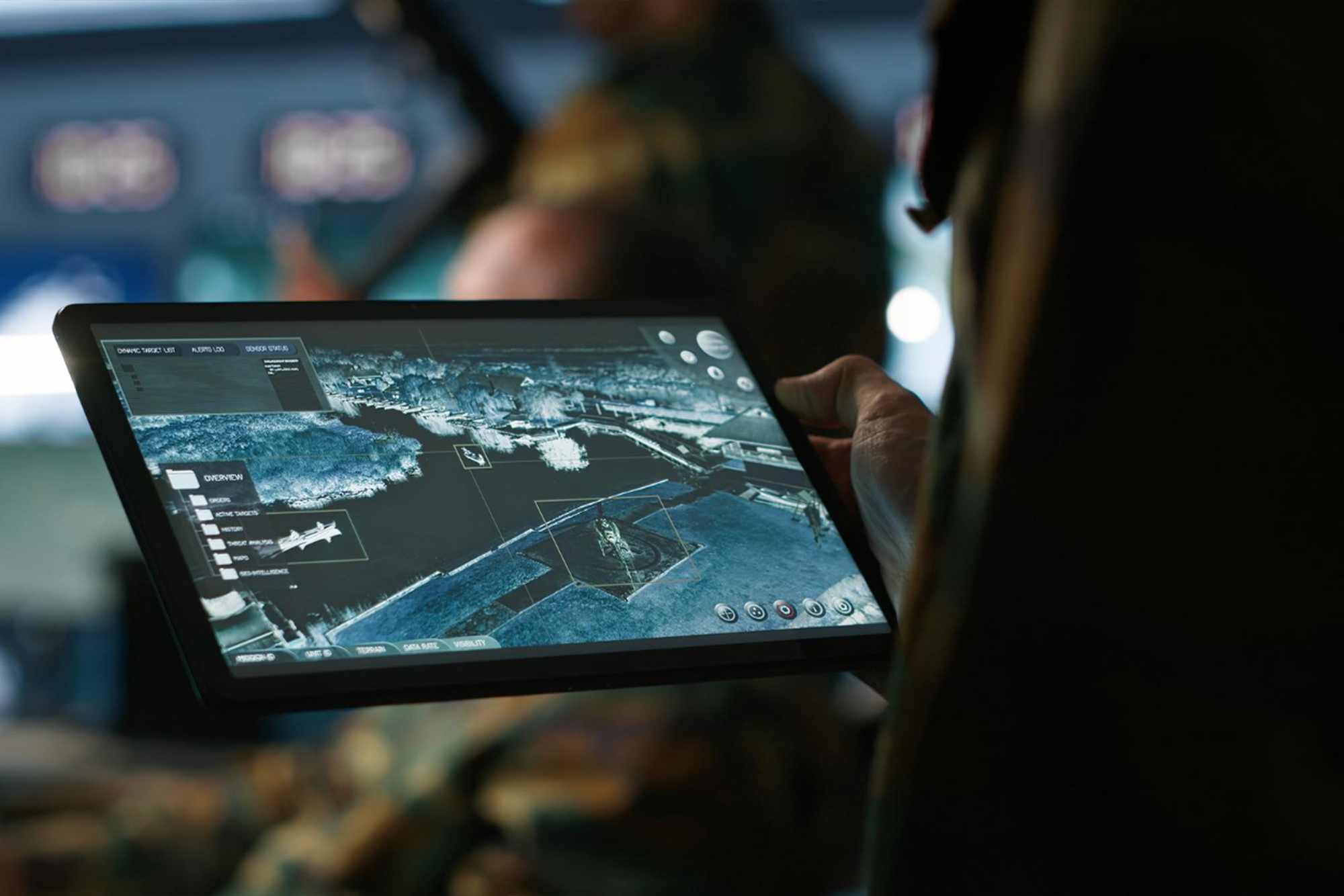
But while Washington and Beijing were busy building walls, a third pole of innovation was quietly rising in the Southern Hemisphere. It didn't have the infinite capital of Sand Hill Road or the state protection of the CCP. Instead, it had something more valuable: friction.
Welcome to the São Paulo Model. It is the new blueprint for the Global South, and it is proving that in a world of broken infrastructure and bureaucratic chaos, the hybrid wins.
The Silicon Valley Model: The Ideology of the Clean Slate
The American model is built on a seductive lie: the belief that the product is everything. Rooted in the "Zero to One" philosophy, it assumes that if you write clean enough code, the messiness of the physical world will simply yield.
Uber is the perfect avatar of this mindset. When it launched globally, it tried to bulldoze local reality with a standardized app. No cash payments. No phone support. Just a frictionless, algorithmic interface designed for a high-trust, credit-card-saturated society.
This is "Software Eating the World." It is scalable, profitable, and culturally arrogant. It treats every market as a blank slate waiting to be optimized. But as Uber found out in the favelas of Rio or the traffic jams of Jakarta, the world is rarely blank.
The Shenzhen Model: The Ideology of the Iron Army
But what happens when you take the capital discipline and user experience (UX) polish of the United States, and graft it onto the operational grit of China?
You get Nubank.
On paper, Nubank looks like a Silicon Valley darling. It has Sequoia Capital backing, a clean purple interface, and a mantra of "customer love" that would make Steve Jobs proud. But look under the hood, and you see a machine built for the specific violence of the Brazilian market.
In Brazil, the banking system is a cartel. Interest rates can hit 400%, and bureaucracy is a blood sport. A U.S. "neobank" model—lightweight, fee-free—would die here instantly due to default rates. So Nubank built a credit modeling engine that rivals the sophistication of any Chinese surveillance tech. They used "survival analysis"—not just predicting if you will default, but when—to offer credit to millions of unbanked people that traditional banks ignored.
They didn't just "disrupt" the banks; they replaced the infrastructure. They combined the Silicon Valley "moat" of brand loyalty with the Global South reality of managing extreme risk.
The "Super App" of the West
Then there is MercadoLibre (MELI). Investors often lazily call it the "Amazon of Latin America," but that misses the point. Amazon was built on the existing rails of the U.S. Postal Service and credit cards. MercadoLibre had neither.
To survive, it had to become Amazon, Alibaba, and PayPal all at once. It built its own logistics network (Mercado Envíos) because the national posts were unreliable. It built its own central bank (Mercado Pago) because users didn't have cards.
This is the core of the São Paulo model: Vertical Integration as Self-Defense.
In the U.S., you plug into APIs. In the Global South, you have to build the API, the server, and sometimes the power plant running it.
We see this again with Rappi, the Colombian unicorn. It didn't just copy DoorDash. It copied WeChat. It realized that in a high-friction economy, people don't want ten apps; they want one trusted super-app that can do everything—from delivering a hamburger to withdrawing cash from an ATM via a courier. It utilized Softbank’s capital to subsidize a Chinese-style "super app" strategy in a market that Western analysts said was too fragmented to support one.
Why the Hybrid Wins
The Global South is littered with the corpses of American companies that refused to adapt and Chinese companies that failed to localize.
The winners are the hybrids. They are the companies that can pitch a growth story to Wall Street in perfect English, while deploying an "iron army" of motorcycle couriers in Mexico City.
This "Third Pole" is no longer just receiving globalization; it is exporting it. We are seeing Latin American fintechs expanding into Africa and Southeast Asia, because their model—built for high inflation, low trust, and mobile-first populations—is far more relevant to Lagos or Manila than anything coming out of Palo Alto.
The 21st century won't be defined by a cold war between U.S. and Chinese tech. It will be defined by the tropicalization of both. And right now, São Paulo is writing the manual.
Digital black markets

Myanmar’s Digital Black Markets: The New Frontier of Global Finance
By Jack Zhai & Shan Qi
On the banks of the Moei River, dividing Thailand from Myanmar, stands a city that technically shouldn’t exist. Shwe Kokko is a $15 billion sprawl of neon-lit casinos, luxury villas, and dormitory blocks rising out of the jungle. It has its own power grid...
Tech & Geopolitics
The Chinese Crypto Diaspora and the Rise of Shadow Capitalism
By Jack Zhai & Shan Qi
In 2017, Beijing thought it had killed the monster...
GLOBAL SOUTH
The Global South’s Playbook for Navigating a U.S.–China Rivalry
By Jack Zhai & Shan Qi
In the corridors of power in Washington...

Data colonialism
The Moral Cost of Cheap Data: How Emerging Markets Power the AI Boom
By Jack Zhai & Shan Qi
In a cramped room in Caracas, the air conditioner...

Jack Zhai & Shan Qi Archives